
Kerry–Anne Stead is a Landscape Designer based in Johannesburg. In this interview she shares a bit more about her creative process, challenges & what inspires her.
1. Where did your dreams start to become a Landscape Designer?
Shortly after I moved from Zimbabwe to Johannesburg, I met an architect and we started “flipping” houses to make some side hustle money. I was always tasked with the gardens. I loved it so much that it was the only place you’d find me in any given spare time. Eventually we decided it was time for a career change and the rest is history.
2. What part of the Landscaping industry do you find most challenging?
I would have to say it’s been creating landscapes that move away from the homogeneity of standard rolling lawns, formal frills and generic design. Don’t get me wrong there are definitely spaces that call for that type of thing but there’s something to be said for organised chaos too. It’s important to explore spaces in different ways a number of times during the conceptual phase of a project, sleep on and amalgamate ideas until you’ve created something unique and compelling in your own style. It’s not just for the clients – it really helps to keep your own creative flow going.
3. What is your favorite style garden design?
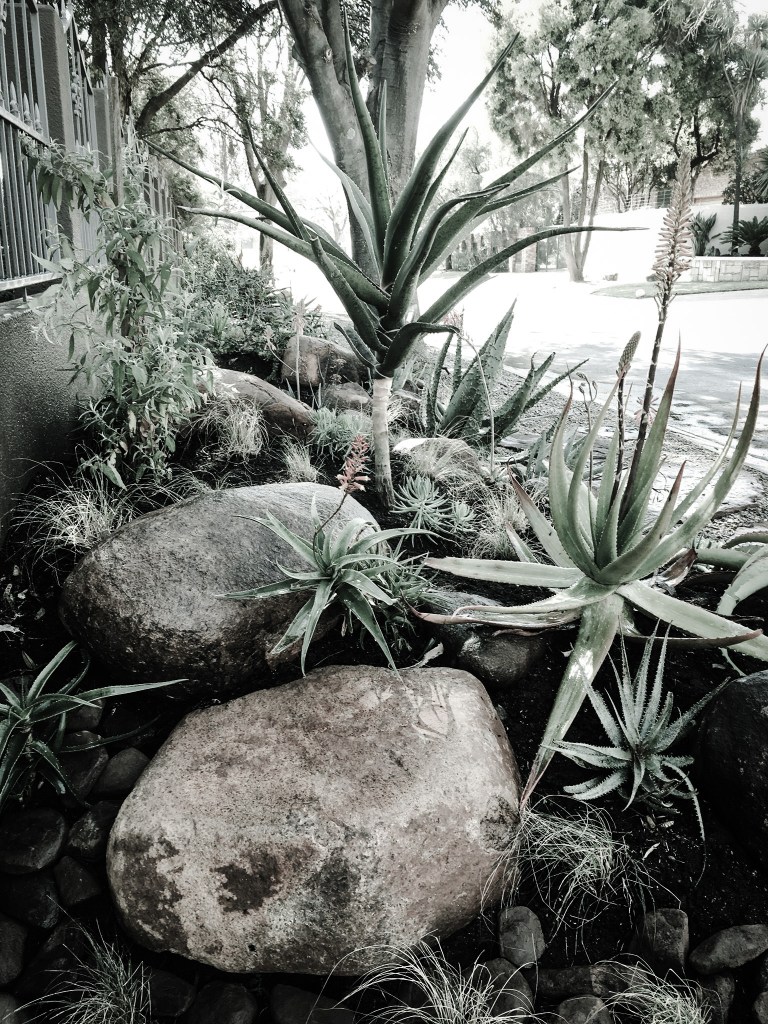
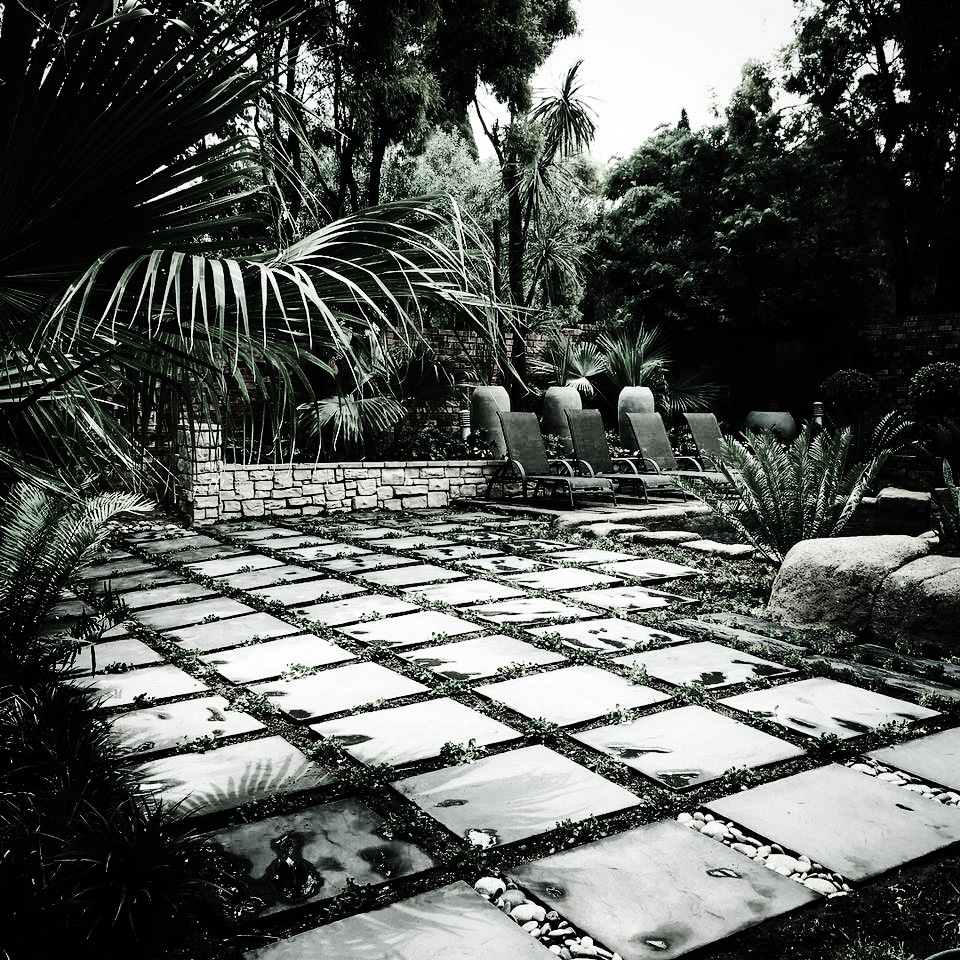
Contemporary/Rustic. For me less is more and I’m not generally a fan of colour aside from the different hues of greens/greys and the golden bronzes that naturally occur in our highveld. I tend to stick to indigenous and endemic plants where possible but also love the look of arid Mediterranean landscapes against rugged cladding and raw, abraded materials.
4. What is your top 3 favorite plants to use in your designs and why?
That’s a tough one! As a rule of thumb I always try to squeeze in a tree… Buddleja saligna (False Olive) for its foliage, lichen-attracting bark and delicious display of flowers. Birds and bees love it.
Aloe arborescens because every South-African should have one. They’re such great all rounders in terms of providing a feature or backdrop and in winter the most splendid spikes of red , orange and yellow racemes show off for the sunbirds to feast on.
I’m going to go ahead and generalise for number 3, Any type of indigenous grass. Block planting and letting grasses grow wild even in an urban garden is so underrated. It’s a beautiful thing to sit back and watch the gentle sway bring a movement into the space. It’s also great to watch the changes in colour as the seasons unfold.
5. Do you prefer doing your design drawings by hand or on the computer?
I find that the process of doing mine by hand is a way of connecting more fluidly with the space in my designs. It’s also nice to leave clients with a hand drawn render as a keepsake after presenting your ideas. I think anyone who appreciates gardens and the outdoors connects with art even if it’s not as kinetic as a visual walk-through.

6. When you feel creatively exhausted, what do you do to get those creative juices flowing again?
Stepping back and taking a break is so important but similarly to getting “writer’s block” , you just need to keep playing around, doodling until you shift and find your flow. It helps to spend time in ergonomic spaces. A quick tidy up around your desk or studio and a walk around the block can do wonders in terms of firing out new ideas but if you’re in quarantine, Pinterest will do!
7. After a hard days work as a creator, what do you do to relax?
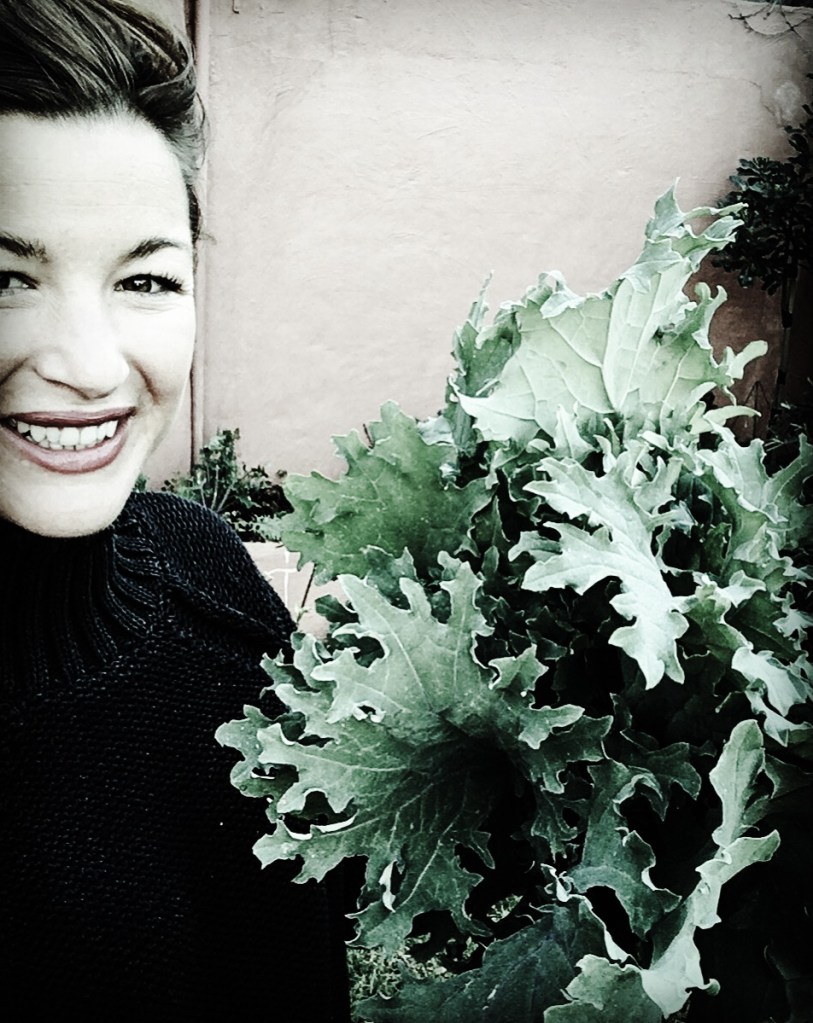
Make like Martha Stuart and rustle up a home cooked meal from my veggie patch. This is almost always accompanied by a big glass of wine and an ambient playlist in the background.
8. Where did you study for landscaping & what was your favorite part of the course?
I studied at Lifestyle College and as grueling as it was the best part was participating in the annual show gardens. We were lucky enough to get involved in everything from the design process to costing and then to physically digging, laying out and planting up the garden spaces. It was the first real taste of what it would feel like to be a landscaper and I was so proud of what we managed to accomplish when everything was completed.

9. Why do you think landscaping is such an important part of architecture?
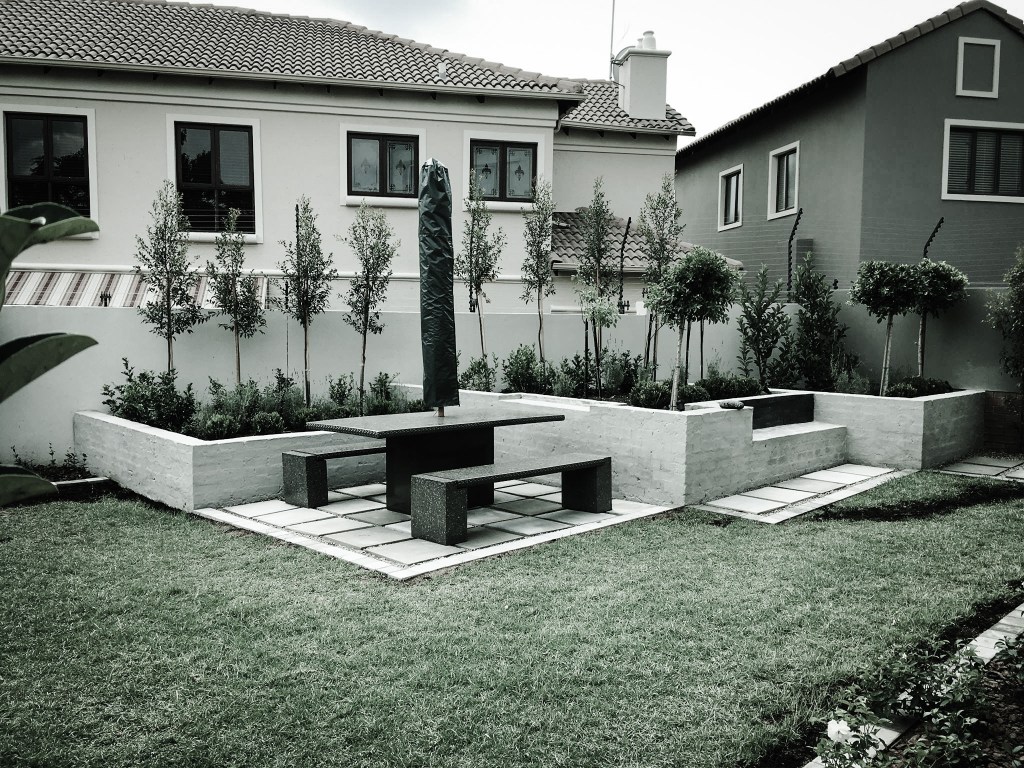
I almost feel as though there is a fine line between the dichotomy of the two. Both architects and landscape architects/designers are starting to work in ways that imitate nature the way it functions. This has seen a massive rise in bio-orientated design in both the field of architecture and landscaping. On a very primal level, we are inherently drawn to habituating spaces that evoke comfort, ease and flow. Landscapes are an integral part of architecture in that they hold the space within and around them to create a sort of ecosystem in a way. The relationship between architecture and its surrounding vernacular landscape must exist symbiotically with one reinforcing the other. A well designed garden can change things like the movement into a building, it’s temperature, atmospheric sounds and of course it’s value to name a few.
10. What makes South African architecture & landscaping so unique to other countries?
We’re incredibly fortunate to have such a diverse range of indigenous plant species in South Africa and the perfect weather to facilitate its growth. I’ve done a fair share of traveling through Europe and often catch myself proudly pointing out and naming species that have been brought over from home in South Africa for their resilience and accord but nothing beats the cultural coalescence and influence that we have weaved into our buildings and gardens over the years.
11. Any restaurants/coffee shops/nurseries that you love going to to get inspired?
Random Harvest Indigenous Nursery is one of my favorites. I often block out half a morning on a Saturday to amble through the nursery, check out all the trees and then treat myself to a brunch at their cafe.
12. Where can readers follow you to keep up?
Instagram : @therootlandscapes
Facebook : The Root Landscape Designs
Thank you for joining us!
Bren
 B R E N