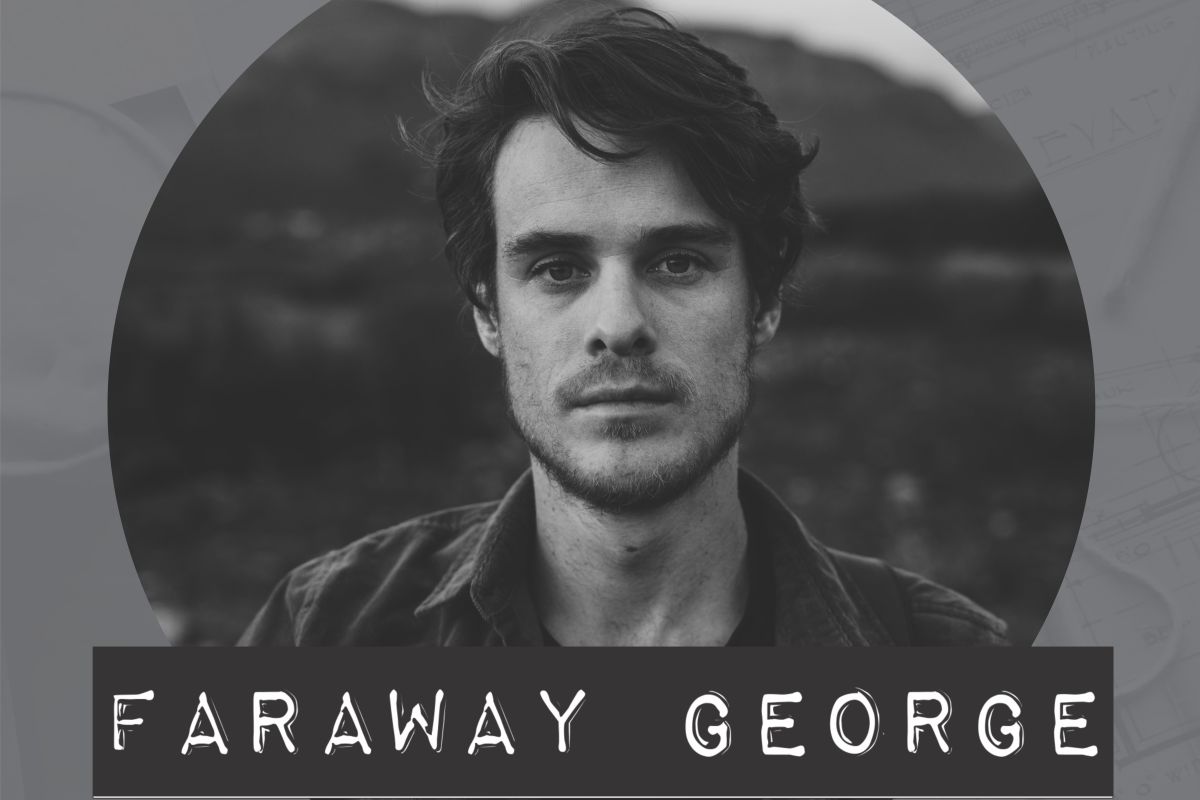
Faraway George is an incredible South African singer songwriter. He was part of the “Die Kontrak” singing show in 2018 and hasn’t stopped there. I have asked him a few questions about his creative process and what happens behind the scenes of songwriting.
1. What/who inspired you as a child/teenager to become an musician?
I became inspired by what other bands was doing at the time I first started. The fact that people gathered together for the love and appreciation of specific genres of music intrigued me. I enjoyed the idea of a group of people getting together to execute a musical performance in a space and leave people inspired by the experience made me want to do it as well. Bands I listened to like Coldplay, Muse, John Mayer, Fleet Foxes, Gregory Alan Isakov.
2. What do you do when you face a creative block?
When I create something completely different from music and songwriting it tends to send more colour to the creative flow. Like during the time I spend making a wooden table or some chair it’s like I can visualize the song from a better perspective. I have to fully get into making the table with no distractions but somewhere in my mind there is a song waiting for its time to be written.
3. Are there any other creative activities you enjoy doing?
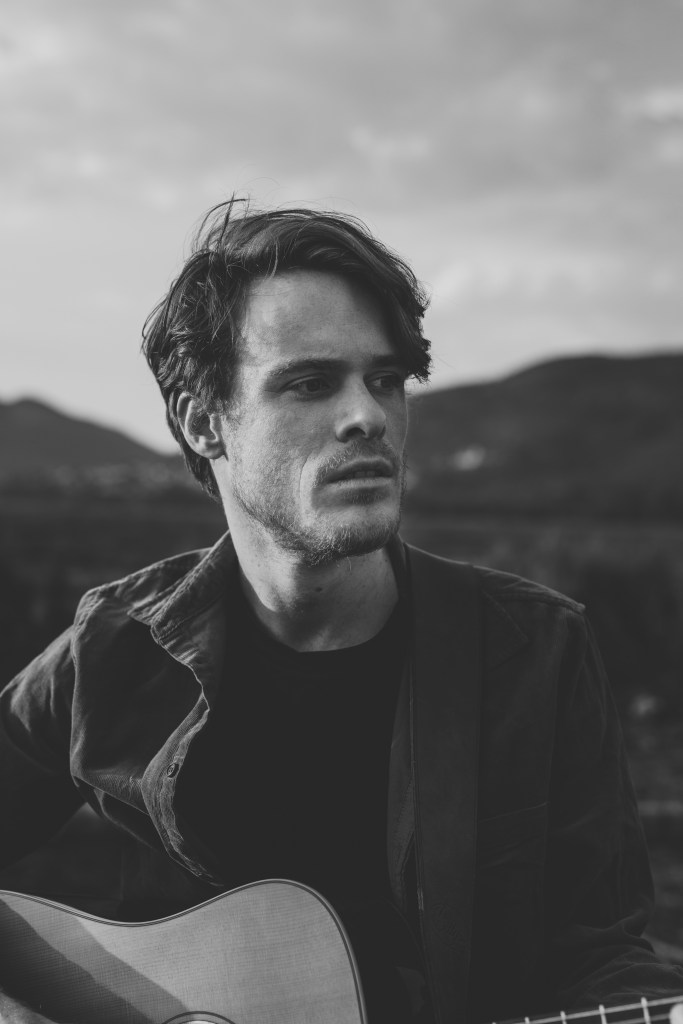
Growing my own vegetables. I also love designing things with wood and steel, from furniture to acoustic diffusers. I actually studied Architecture at TUT in 2009 but never finished.
4. What do you find the most challenging about the music/artistic industry?
Even though it is a small industry here in South Africa, I find difficult to get a grip on the alternative scene. People tend to think that you are either extremely pop and successful or a failed alt artist. But that just isn’t true for some artists like Spoegwolf and Francois van Coke. People believe that you must make pop music to have longevity but I don’t agree. Yes it is hard to make art and ‘try to be different than everybody before me’ but putting that much pressure on yourself is not fair, we are not here to reinvent the wheel but rather enjoy what everyone is bringing to the table.
5. What was the most challenging part of being on the “Die Kontrak” show?
The most challenging part of the show for me was engaging with the audience. Although there were no retakes of the artists performances and what was performed live acted as a result for the judges. I feel the audience was also pulled closer to the fact that the show was pre-recorded and live at the same time, In a sense I had to conceptualize my audience for myself and that would be everyone that would be watching the show in their homes on their TV. Imagining that was probably my biggest challenge. I feel in a big way that it helped my confidence on stage in general.
6. Where do you like to go for inspiration when writing music?
My mother in law lives on a farm in the Agatha forest close to the Wolkberge. My wife and I love to stay there from time to time. The fresh mountain air really does something, I don’t necessarily write a lot of my music there but I find it super inspirational. Almost like a reload of creative cells.My parents live in Robertson in the winelands, I have written a lot of music there.

7. After a hard days work as a creator, what do you do to relax?
I feel that when I’m on a creative roll (the type that cannot be planned or scheduled) and I really made something beautiful, I can’t stop there. I will however, not keep on crafting the same song because doing too much on a musical piece can deform the beauty and even destroy it. (Winners know when to stop) I try to write or record another different song in this time of inspiration in the studio. But thereafter I like to have a glass of good wine, even whiskey.
8. When you write music, how do you come up with a concept? Do you write the melody or the lyrics first?
I write the music first most of the time, These sounds and concepts come to me through everyday life. I record them on my phone and have thousands of ideas of sounds chord structures and rhythms. I normally imagine myself outside myself for a moment when writing, How I would see things from a different view. I even sometimes make up characters and scenarios where a specific theme is lit up. My lyrics are all written out in moleskins, I have a lot of them written from the previous years. Although I handle them with great care, I have lost some of them and believe it might be best to have backups somewhere. The process of putting the music and the lyrics together should never be forced, I have found that the songs I have spent the most time on wanting them to work didn’t even end up on one of my albums. The best and most favorite songs I have written came to me in five minutes or less. Then it’s handy to record on your phone there and then because the idea can leave you as quickly as it appeared.
9. What tips would you give to young artists?
Listen to other artists but don’t compare your art, You will never be each other. Don’t get lost in the possibilities, keep it simple. If what you want to say is true and beautiful, the only person that can keep it from the world is yourself. Never stop pushing your boundaries, keep learning something new each week.
10. What artist do you look up to the most and why?
Gregory Alan Isakov, He was born in South Africa and moved to the USA with his parents at a young age. He is organic farmer with a recording studio in his barn. apart from his rustic humble facade he was nominated for a Grammy Award for best folk album in 2019.
11. What is your favorite restaurant/coffee shop in your hometown?
Grounded @ Echo in Pretoria.
12. Where can readers follow you to keep up?
Facebook: @farawaygeorge
Instagram: @farawaygeorge
Website: www.farawaygeorge.co.za
Apple Music: https://music.apple.com/za/album/burnt-found/1500155473
Music also available on: iTunes | Spotify | Google Play | JOOX | Shazam | Deeze
Thank you for joining us!
Bren
 B R E N